Facebook Ads Mistakes
Facebook has made an unbelievable amount of change in the advertising platform since 2004. Facebook has 1.23 billion monthly active users, 945 million mobile users and 757 million daily users.
Facebook not only has the biggest user base but also it seems to make plenty of money with its advertising system.
Facebook not only has the biggest user base but also it seems to make plenty of money with its advertising system.
Nowadays, Facebook advertising is high in demand due to its progressive popularity. While some companies earn supernormal profits with Facebook advertising, there are some companies that face complete failure in spite of having powerful ads.
Today we will help you to identify these 10 mistakes Facebook advertising and by avoid-ing them you can get your desired leads and sales.
MISTAKE NO. 1
No Defined Target Audience

The best way to make a successful ad campaign is to define your target audience first.The target audience is the foundation of any ad campaign.
To reach the potential customers, Facebook advertising is an incredible platform. And reaching the right customers is the key to success.
Merely targeting the audience is not the right step. But targeting the right audience is what you have to do.
Your Facebook campaign will face failure if you do not have defined target audience.Facebook Advertising is one of the finest ways of reaching your potential audience.
Hence, to use Facebook Advertising to the optimal level, you need to have a clear vision of your target Audience
To reach the target customers you will have to integrate the right targeting parameters.
Types of Targeting Parameters are:-
1. LOCATION TARGETING:
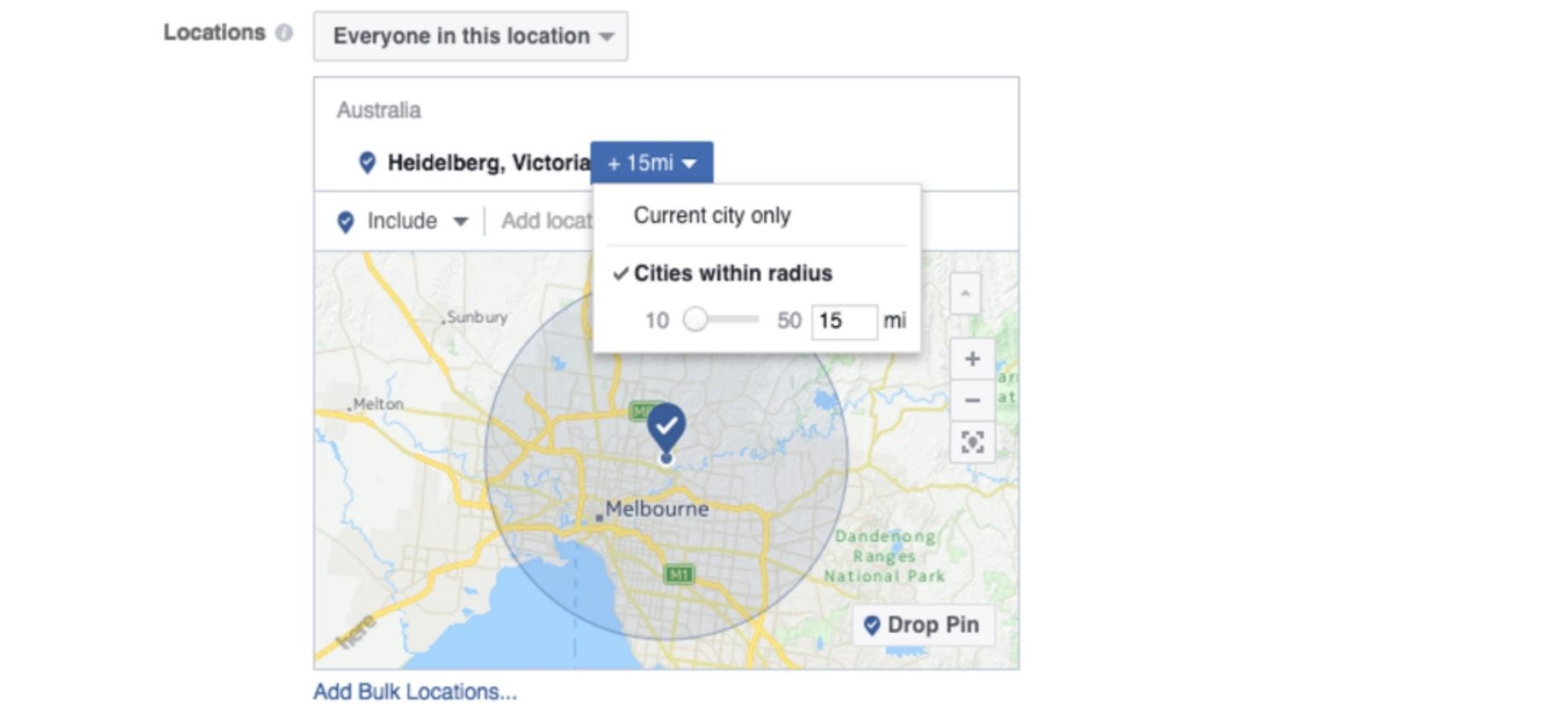
Location targeting allows you to target your ads to the prospective customers on the basis of location.
It can be a fantastic way to reach region based customers. There are few options on the basis of which you can apply location targeting.
The options are:-
(a) Country Location Targeting
Targeting customers on the basis of a particular Country or Countries.
(b) Region Location Targeting
Targeting customers on the basis of a particular region or regions.
(c) City Location Targeting
Targeting customers on the basis of a particular city or cities.
(d) Business Location Targeting
Targeting people on the basis of their connection with your business or people near your business’s physical location. Radius Targeting: Targeting people for small ad campaigns.
2. DEMOGRAPHIC TARGETING
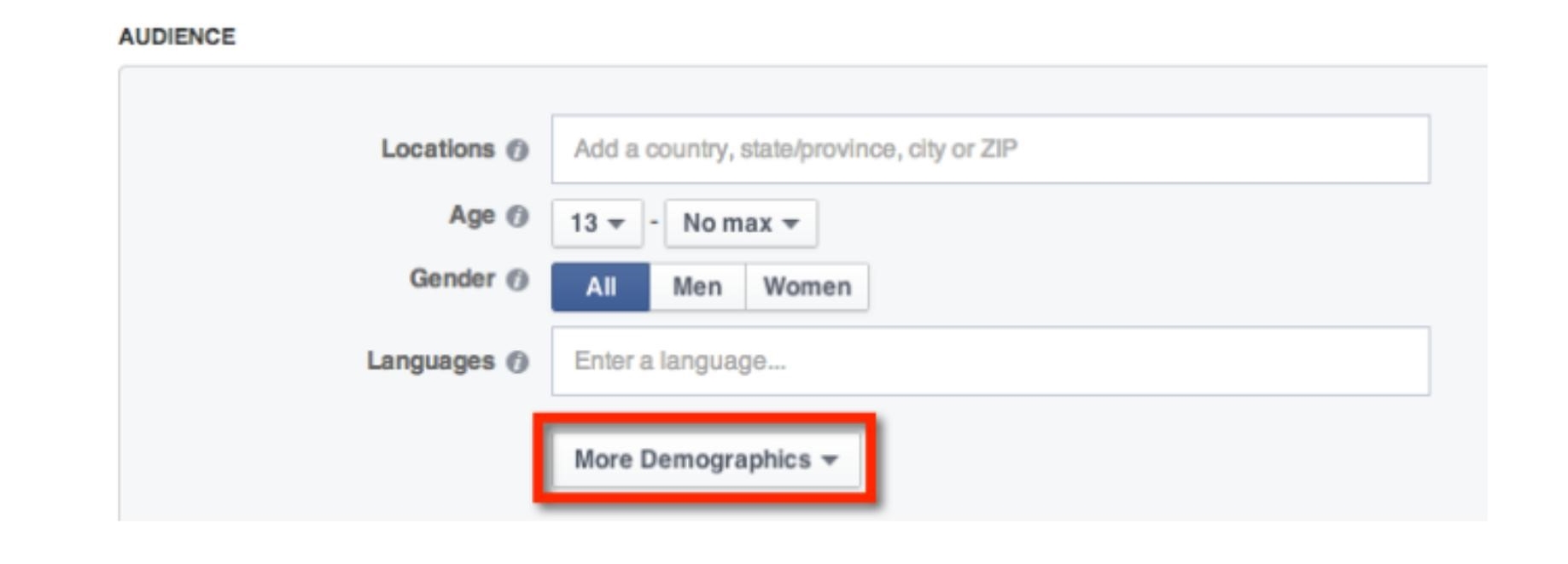
However, location is not the only parameter you can use to target your audience. There are certain demographic parameters which will help you to refine your target audience choice.
The demographic parameters are:
- - Age
- - Gender
- - Profession
You can also target audience on the basis of their Education, their qualification, their work profile, and even their relationship status.
Demographic targeting gives you a wide base on which you can target your prospective customers.
Next in the line is the wide and narrow targeting choice. Demographic Targeting should be balanced in terms of choice.
It should not be too wide because wide targeting choice will only waste ad dollars on clicks and engagement without yielding much profit.
On the other hand, it should not be too narrow as by narrow targeting choice you will leave out a large number of audiences that would have converted.
3. INTEREST BASED TARGETING
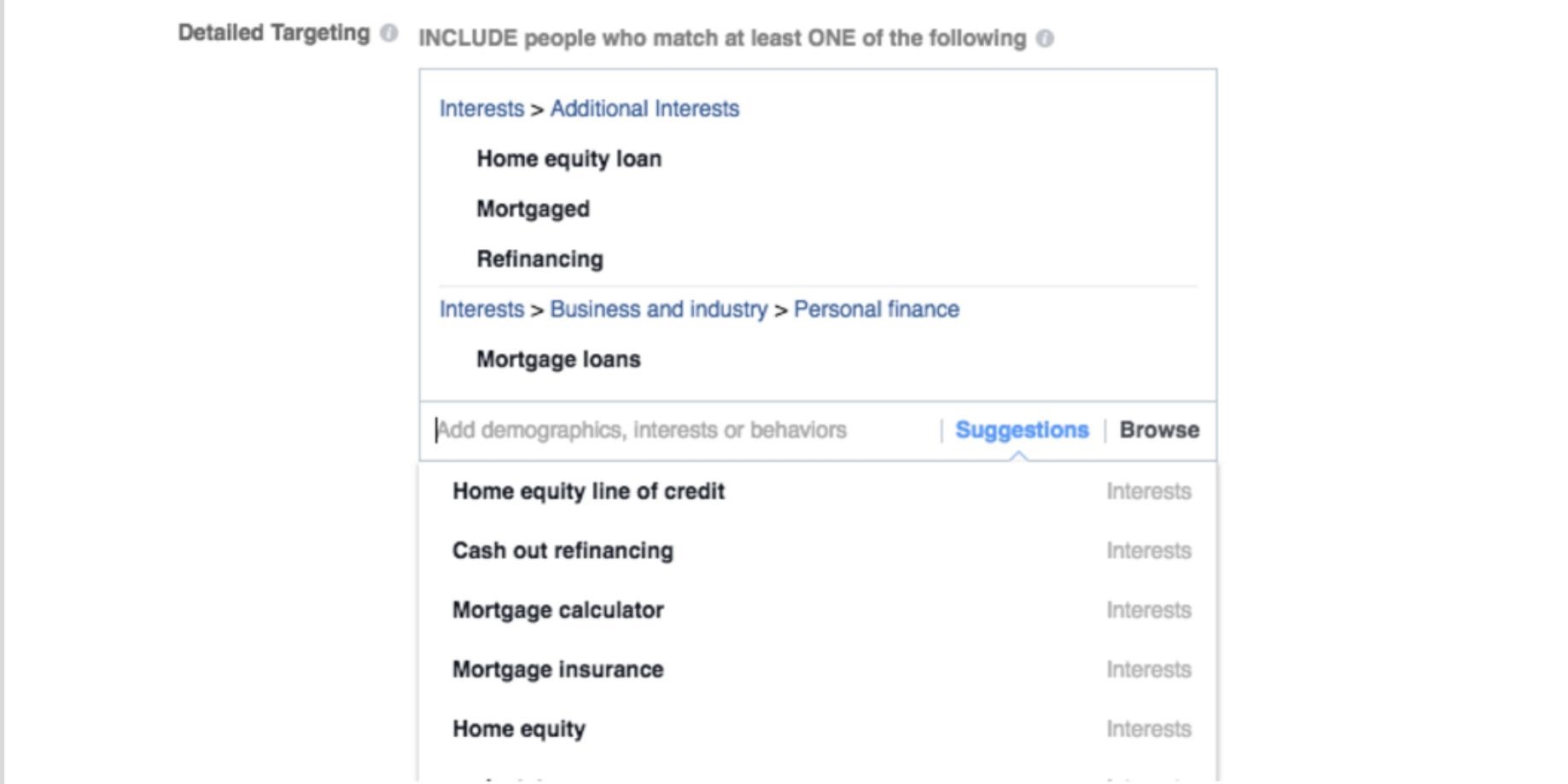
This helps you to target customers on the basis of their interests. The interests can be figured out from the individual’s timelines, profile activities, pages they have liked, groups they belong to, posts they have shared.
Interest based targeting converts a lot of members into potential customers.
4. OVERLAYING VARIOUS TARGETING PARAMETERS
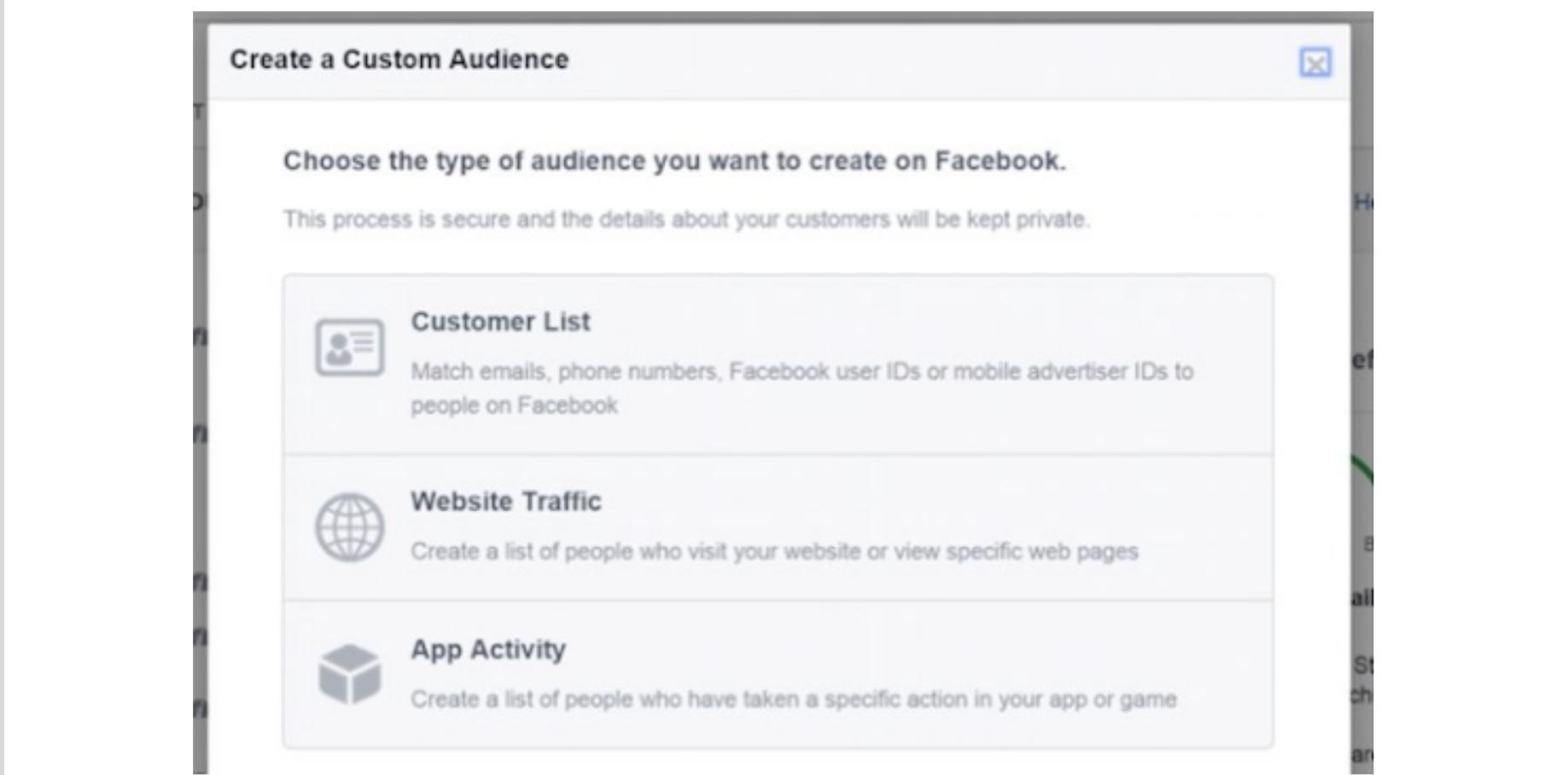
Customer targeting is not restricted to the above mentioned targeting parameters. You can create your own custom audience targeting parameters by using combinations of the above discussed parameters.
Customer targeting is not restricted to the above mentioned targeting parameters. You can create your own custom audience targeting parameters by using combinations of the above discussed parameters.
MISTAKE NO. 2
Having No/Wrong Goal

The first step to any ad campaign is a well-defined goal.
Setting goals, whether big or small is extremely important for any kind of business. If you are not working towards your goal then you are probably walking down a lane which is going to end nowhere.
Goal or objective is the ultimate destination of any journey.
Therefore, before creating your ad, first, you need to understand what your goals are.
Having a straightforward understanding of your goal will help you to taste the fruit of success. Facebook provides a variety of advertising objectives. These objectives coordinate with your business goals.
The types of objectives are:-
(a) Awareness
Objectives that develop knowledge of your product/service. Types of awareness are:-
- (i) Brand Awareness: It means to reach to those people who will pay attention to your ads and will increase awareness of your brand.
- (ii) Local Awareness: It means to promote your business by displaying your ad to local people.
- (iii) Reach: It means to show your ad to maximum number of people.
(b) Consideration
Objectives that will help people to look for more information about your business. This initiates popularity. Types of consideration are:-
- (i) Traffic: It means to increase the number of visitors on your website.
- (ii) App Installs: It means sending people to app store where they can install your business app.
- (iii) Engagement: It means engaging more people with your post or page.
- (iv) Lead Generation: It means collecting email addresses of those people who are interested in your business.
(c) Conversions
Objectives that encourage interested people to buy your product/service.
Therefore, with the above-mentioned objectives, you can easily achieve your desired goal. In addition, there are basically 2 types of goals in Facebook advertising one is Performance Goals and the other is Non-Performance Goals.
PERFORMANCE GOALS
- (A) Return on Investment (ROI)
- (B) Cost per Transaction (CPT)
- (C) Cost per Lead (CPL)
- (D) Cost per View (CPV)
NON PERFORMANCE GOALS
- (A) No of Likes
- (B) No of Impressions
- (C) No of Clicks
You need to note that your primary focus should be on the performance goals. The non performance goals are of secondary concern.
MISTAKE NO. 3
Crappy Landing Pages
A crappy landing page can destroy your campaign.
The main focus of landing pages is converting visitors into leads or sale. Landing pages also help in reducing the cost, as they generate more leads which in turn bring in more revenue and so the costs are reduced. Since landing page is decisive factor for your conversions, so it has to be well created.
Make sure that you have a focused landing page as it will lead to more conversions.
The 5 essential elements of landing pages that can make your landing page optimal are:-
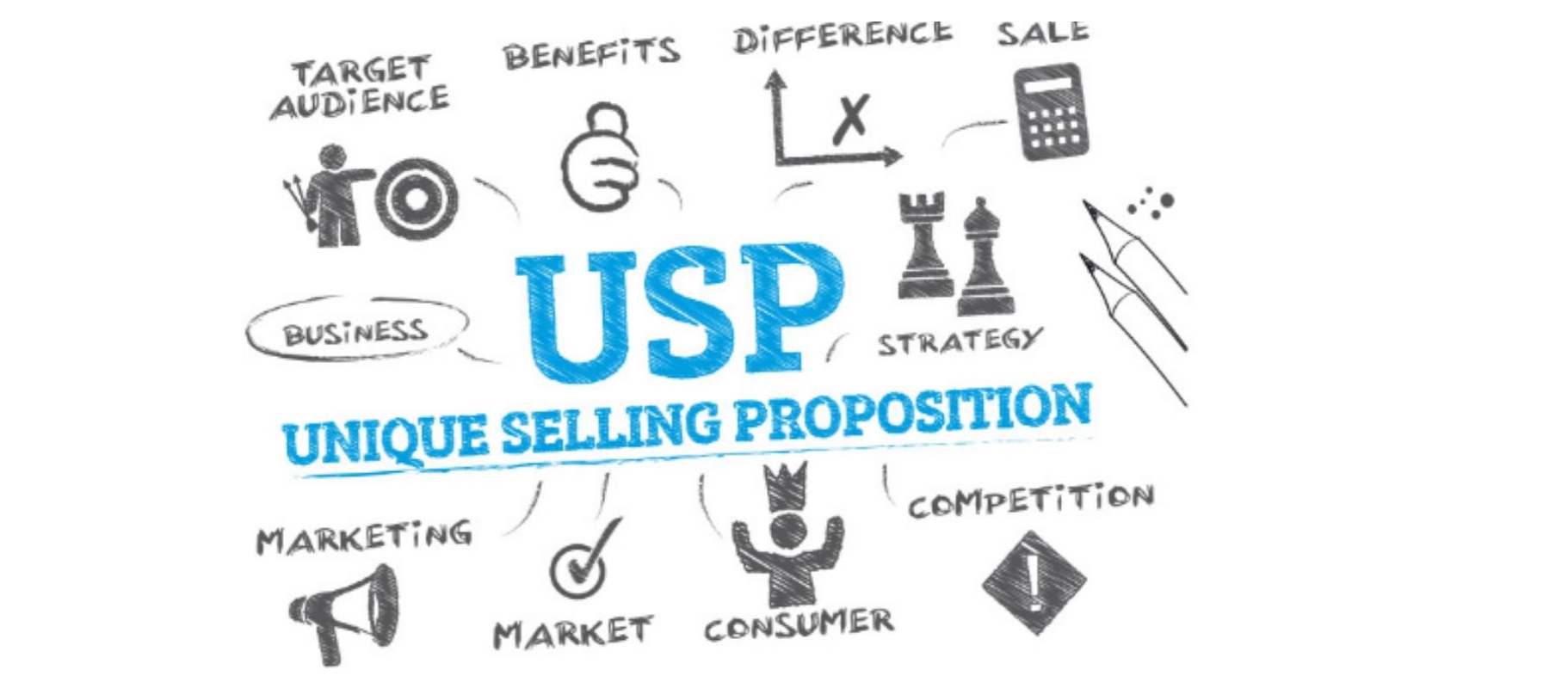
- Your Unique Selling Proposition (USP):
This parameter shows how your product/service is different from that of your competitor. You have to showcase the difference in a very concise way on your landing page.
A well-formulated USP makes the information of your product transparent thus motivating your customers to have expectations from you which results into awareness and conversions.
The USP can be divided into 4 sub-elements:
The Main Headline: The headline is the very first thing that a person will see and read. Therefore, your headline should describe the product, service or benefits that the customer will get from you. The headline should be so effective that it ensures the customer that he is in the right place.
The Supportive Headline: Since you can not include all the features of your product/service in a single headline, therefore you must have a supportive headline.
The Reinforcement Headline: This is another title that you can use to retell the purpose or objective of your page. It is located halfway down the page and gives a little experience message to the customers.
The Closing Argument: As your landing page comes to an end, now you have a final chance of informing the customer about what you have to offer. It is mainly a backup of your USP.
- The Eye Catcher:
The famous quote by Fred R. Barnard
“A picture is worth a thousand words,” says it all. And this quote complements the short attention seeking time frame of a landing page.
The eye-catcher is the visual portrayal of your offering and it can help people to have a better understanding of what the product/service looks like. And since action speaks louder than words so it means showing people rather than telling them about the product/service. The eye-catcher can be an image as well as a video.
- The Benefits:
Now the description of the benefits of your products/services comes. Here you will have to provide little more detail of what you are offering. You need to try to answer the questions of the customers in advance.
Moreover, benefits can be classified into 2 categories:-
Benefit bullet point: You have to be very precise with respect to the words. You do not have to get into much detail that your landing page looks full of text. 3-5 bullet points are sufficient.
Detailed benefits & Feature descriptions: To support your brief benefit points, you need to have a detailed explanation of all the benefit and features. Firstly, tell the customers about the benefits of your product/service and then about the features. Because people are basically interested in the benefits that your product/service is going to provide them.
- Social Proof
It is a very influential concept and an important part of completing the Landing Page approach. It is human nature to buy a product/service after someone has already used it. Social proof helps the customer to have confidence in the product or service.
The examples of social proof are:
Customer Testimonials
Social Signals
Numbers of customers
Trust seals for security purpose
Awards from reputable organization
Customer reviews
- Call to Action:
Your conversion goal describes the importance of the landing page to you. To a visitor it is presented in the form of Call-to-action. It may be a button on a click through page or a lead generation form.
There has to be only one thing that they can do in CTA because you get more results when you just ask for a specific thing. If you don’t follow the single CTA rule and have 10 other things that you want your visitor to click. Then by doing this you are not only decreasing your conversion rate but also increasing your CPA.
Split testing the landing pages is a better way to see which page is getting better result.
Moreover, landing page has to be consistent with your ad because this is the first time someone is having an interaction with your business and you have to make sure that it is a good one.
MISTAKE NO. 4
Not Creating Enough Ads
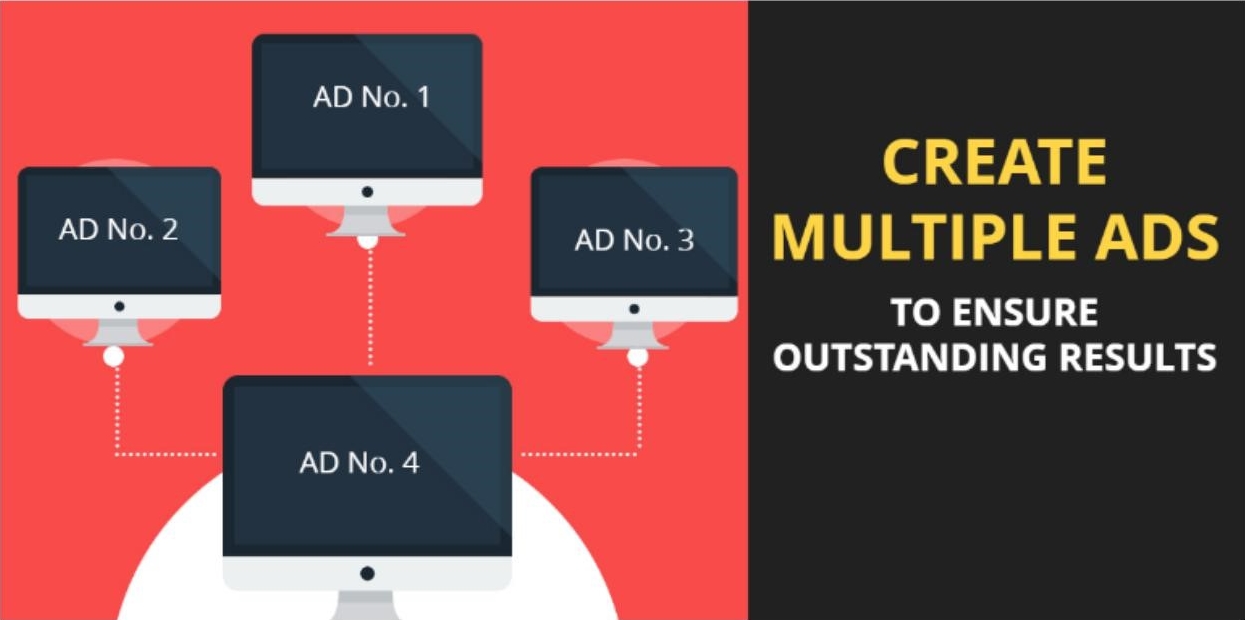
One of the biggest mistakes is creating a single ad copy.
Many advertisers create a single ad, launch it and think that the job is done. This post and run strategy of the ad will cost you more money.
Moreover, if you create a single ad, chances are there that the ad will underperform.
You need to test different headlines, images, benefits, features and CTA’s to make sure that your ad performs well.
The best way to ensure that you get incredible results is to create ideas and put them in front of the customers and let the customers respond to them. By doing this you will get to know which of your idea is being responded well.
It is worth noting that if you create multiple ads there is a much better chance that you will find the right combination of headline, image or CTA that people were actually looking for.
When you create multiple ads, probability of good response from the customer's increases. This process takes little time. You may first start testing with the target audience; then you can go on with image testing and maybe then headline testing.
Facebook advertising is all about testing, analyzing and retesting.
To make sure that your Facebook ads perform well, you will require two things i.e. a large number of ad attempts and patience.
MISTAKE NO. 5
Putting Too Many Ads in One Ad Set
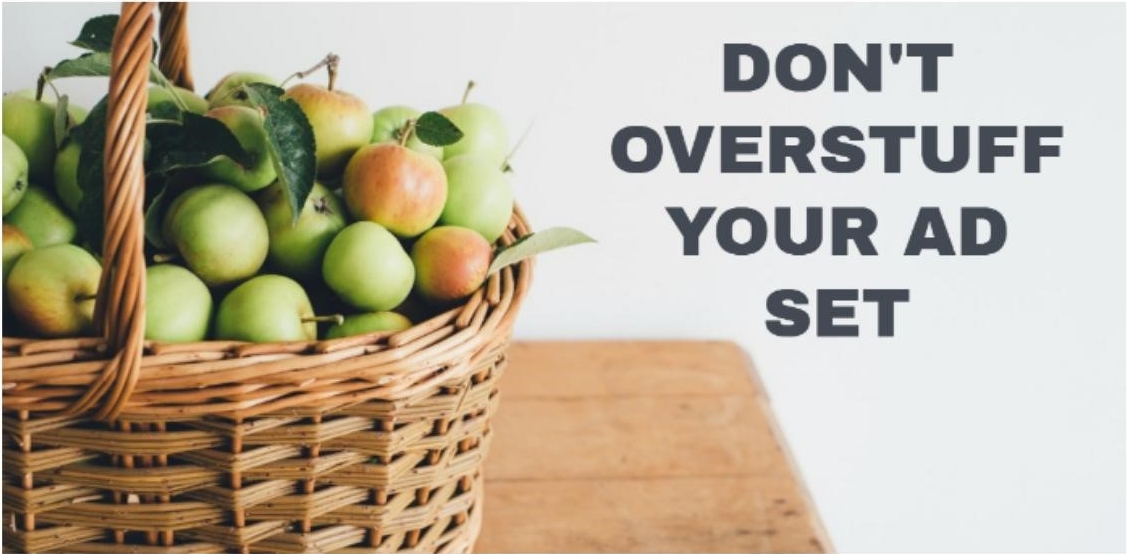
“Excess of anything is harmful.”
Same is the case with Facebook advertising. Putting too many ads in a single ad set can prove wrong for your ad campaign.
In ad set, you can define the target, budget, bidding, and placement of your ad.
While testing different versions of your ad, you have to make sure that you don’t put all the ads in a single ad set. Instead, separate the ads into different ad sets.
When you put 10 ads in a single ad set Facebook will pick the best ad/ads to display.
Facebook has full control regarding which ad/ads to show and it doesn’t really give you any kind of control regarding this.
Moreover, if you put too many ads in a single set then some of your ads may not get enough chance to get displayed and reach your target audience.
The solution to this problem is that you need to create different ad sets for each test and put 4-5 ads in one ad set. You can also organize ad sets on the basis of your target, goal, objective, etc.
If you have few ads in a single ad set then it becomes easy for you to identify your top-performing and low-performing ads.
Since, you have to optimize your budget as well and investing in more and more ads will cost you more money. So it is suggested that you spend 80% of your budget on top performing ads and the rest 20% on testing new ads, ideas, targets, audience etc.
MISTAKE NO. 6
Poor Quality Ad Images
Images are the first thing that catches the attention of any Facebook user.
So make sure that the image you choose for your ad is fascinating. It is important to find and use the image which catches the attention of the user in the first instinct.
As specified earlier, pictures do speak a thousand words. And that is why they play a very vital role in an ad campaign.
Since Facebook is visual in nature so photos and videos are a compulsion there. Facebook ads that include a picture or video receive more engagement than the ad which only contains text.
When you are using a photo or video in an ad you should make sure that the ad is relevant to the offer and it engages the audience properly.
Your choice of image can actually make or break your ad clicks.
So make sure that you do not break your ad clicks by making the following mistakes:
- Improper Image size: Follow the image dimensions for all ad products that Facebook recommends.
- Boring Photo: Make sure that your image gets noticed. You can split test your ad image to test which image is more compelling.
- Low Quality Photos: Images having low resolution or blur images should not be used.
- Wrong Colour: You have to make sure that complements your business brand and portray your company color scheme.
- Not Testing the Image: One common mistake that the advertisers do is that they think they know the image well and do not split test them. You should split test at least 10-12 images to make sure which one is performing the best.
Images having little text and calls to action are proving to increase the Click-Through Rates.
Videos are proving to become better than images in audience targeting as video advertising on Facebook is a cheap way to target audience and consumers have a positive response towards it.
MISTAKE NO. 7
Bad Copy
Bad copy specifically means copywriting.
What does actually copy mean?
Copy is a direct conversation with a consumer.
It can be making a purchase, submitting an email or requesting a demo.
The copy of your ad provides you the opportunity to complement your headline. Remember, the copy of your ad has to be consistent with your headline. This is where you advertise your offer and highlight the benefits and features of your product/service.
To make your ad more effective you need to clearly focus on the interest or the pain point of your audience.
Create an Ad copy that is straightforward, simple and to the point.
Writing long detailed explanations of the benefits and features of your product or service will make your potential customers lose interest in your product or service.
After making your ad copy attention seeking, you will see better results. The best copy is the one which supports your USP while giving reliability to the offer you are providing.
A poor copy may contain the following:
- The headline neither offers any value nor asks a question.
- The ad is filled with detailed description and thus is looking overcrowded.
- There are spelling and grammatical mistakes.
- There is not a clear call-to-action.
On the other hand a good copy contains:
- An interesting headline.
- Straightforward and to the point message about the product/service.
- No spelling or grammatical error.
- Clear Call-to-action.
By avoiding these mistakes you will actually maintain the interest of your existing customers and will arouse interest in your potential customers.
MISTAKE NO. 8
Broad Targeting
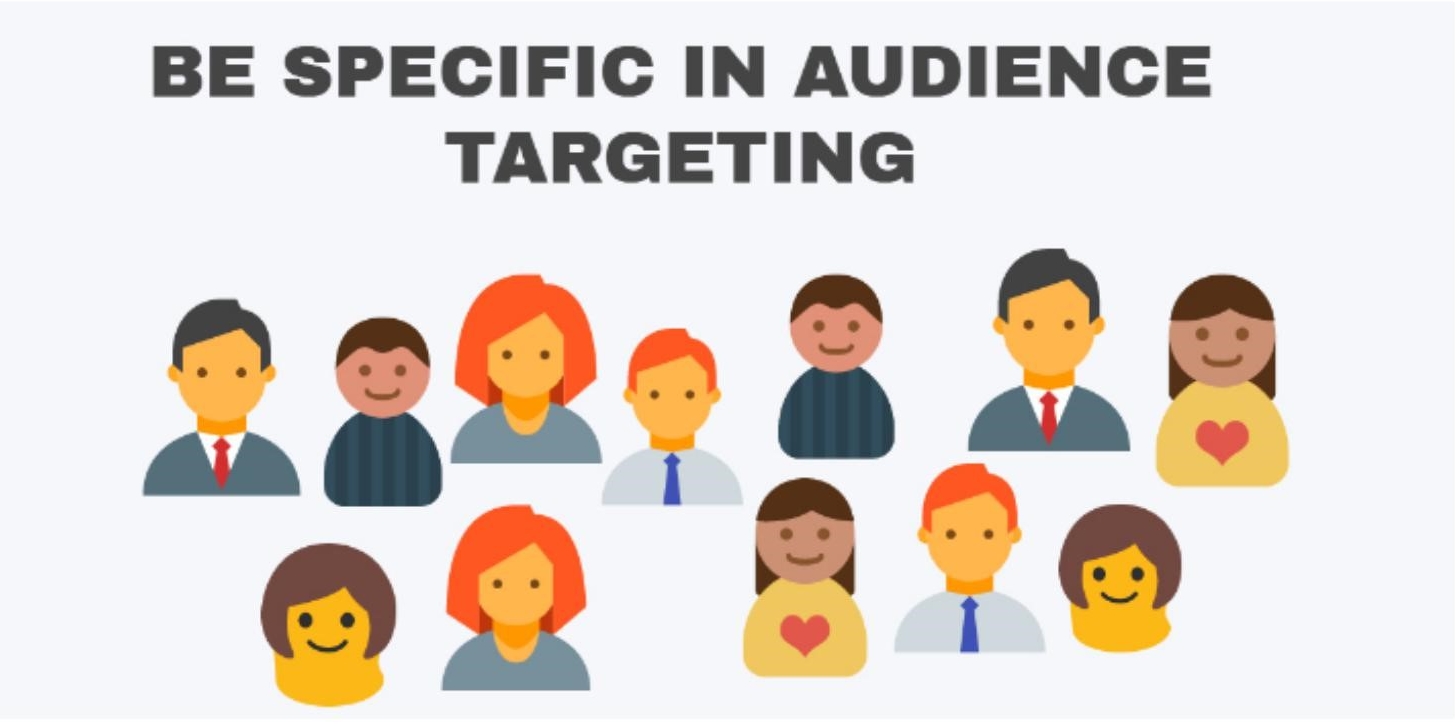
The idea that bigger is better might work with some situations but with Facebook advertising, it is a complete NO! NO!
With Facebook advertising you have to be specific in terms of goals as well as target audience.
If you target broadly; you are yourself increasing the probability of getting your ad marked as unwanted or spam.
Instead of targeting people on a broad scale, target people who are highly relevant. The narrower you characterize your audience; the more are chances of your ad to prove efficient.
As you might know that in Facebook you have incredible options in the sphere of targeting.
Facebook Ads Manager App, Facebook Ads Exclusion Targeting, Qwaya, AdEspresso, and Hootsuite Ads are some examples of Facebook Advertising tools.
You can target audience on the basis of gender, age, location; device they use, interests, job, education and the list goes on. These options are benchmarks for creating an efficient ad.
All you need to do is to start taking advantage of these options and stop broad targeting.
One big mistake that advertisers do here is that they set their audience targeting on the basis of someone else’s ads. They don’t test the audience themselves. It is not important that whatever might have worked for someone else may work for you as well.
We have so many targeting options available to us because specific targeting is more relevant than broad targeting.
Reaching the target audience with a wide net is not at all a good idea. Instead start a very specific or narrow audience search.
Divide your audience into segments so that it becomes easy for you to understand their needs and simultaneously offer your product/service in a more convincing manner.
MISTAKE NO. 9
Using Boost Post
When you get a notification saying that your ad is performing well and suggesting a “Boost” post button, don’t use that button out of excitement.
Using a “Boost” post button is a sheer waste of money. If you are using it often, you might be just throwing away your dollars.
Facebook can become your most powerful marketing tool, only if you know how to use it.
The bottom line of “Boost” post is that it offers a quick, easy way to spend money and reach more people with your Facebook posts. Boosting your post may bring you a lot of likes, share and comments but remember likes, shares and comments don’t put money in your bank account.
You think that by boosting your post you will be able to reach more people. But Facebook does not show your ad to every person who has liked your page. Hence, by this you are wasting your money.
Boosting posts is justified to a certain level but if you only boost your posts, again and again, you will not see your desired results.
Here are some reasons that why you should not hit the “Boost” Post:
Boost Post Button involves Engagement only: The objective of boosting a post is to develop engagement in the form of likes, shares, comments etc.
Very soon after boosting a post you will get a lot of likes but very few out of them will click and go through your website.
Limited Targeting: With the “Boost” post option your reach to target the audience gets limited. Facebook boost post targeting has only three options:
- a) People who like your page
- b) People who like your page and their friends
- c) People who choose through targeting
No Control over the Ad Employment: When you chose “Boost” post option, you don’t have any control where to show your ad.
Your goal is not just engagement but to make people take an action. So if you want something more than likes, shares and comments, then you should avoid the “Boost” post button.
MISTAKE NO. 10
Not Tracking Your Ads
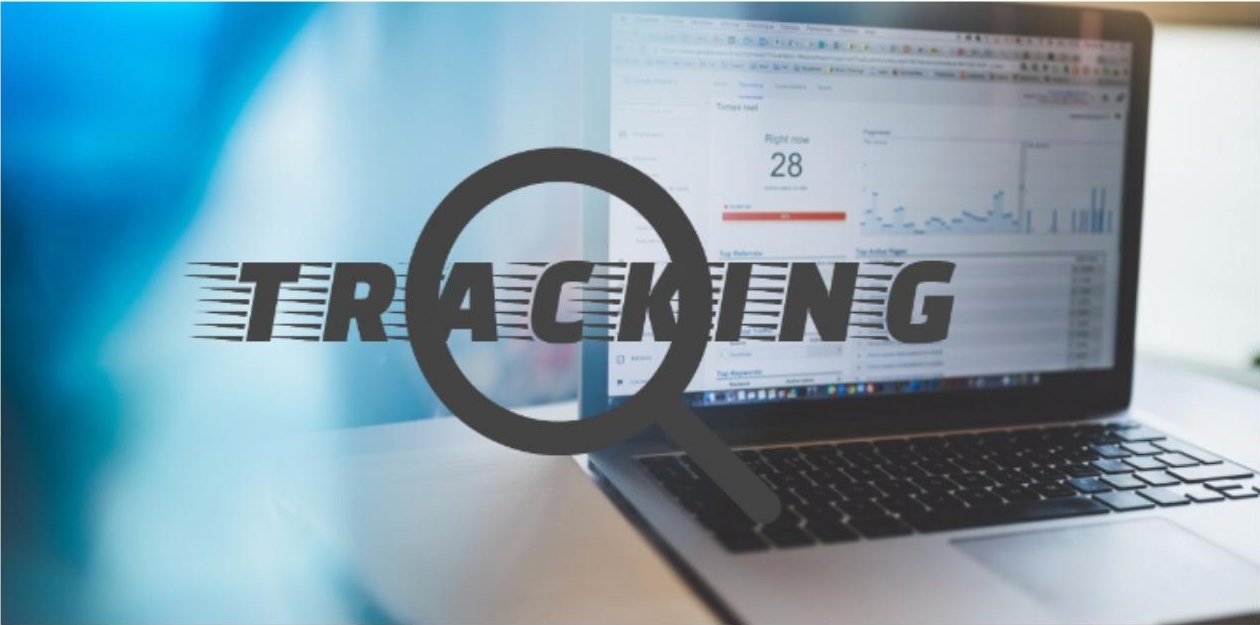
How will you get to know whether your Facebook ads are working properly not?
The answer is simple, just track your ads.
There are two things that you should always do with your Facebook ads. One is testing and the other is tracking.We have already discussed about testing in the above mistakes and now we move on to the tracking part.
If you think that your ad campaigns are running well, delivering good results and so you can forget about it. Then trust me, it is not at all a good idea.
If you create ads but never check them, it is obvious that you won’t do well. By not tracking the ads you will never know about the effectiveness of the ads. You will not know which of your ads are performing well and which are not. Which ads should be paused and which ones should continue.
Therefore, if you don’t track your ads, you are simply wasting money and missing on the profits.
Sometimes, it is natural that some of your ads won’t work properly. Instead of wasting money on that you should stop those ads and work on the changes that can make those ads more effective.
Apart from tracking your own ads you should also track the performance of your competitors, what other companies are doing, the new features and trends. This can ensure that every dollar you spend brings in more profit for you.
You should track your Facebook ads regularly. The more you spend on ad per day, the more frequent your tracking should be. For example, if you are spending $100 on an ad per day, then you should check your ad weekly. And if you are spending $500 on an ad per day, then you should check your ad on alternate days.
You also need to monitor how frequent is your ad. This is because as frequency increases, your performance will decrease.
When your ad becomes too frequent, users are less likely to click on it as they get tired of seeing it again and again.
CONCLUSION
THE CONCLUSION
Facebook Advertising has an outstanding reach. Around 1.79 billion users worldwide and most of them spend a lot of time here.
Advertising here is an excellent option because it serves as a valuable tool for advertisers. Facebook Advertising can have huge benefits for all types of businesses. They are worth time and money investing.
I hope, after sharing these deadly Facebook Advertising mistakes with you will help you to avoid them from now on. Thus, now you can use Facebook Advertising more optimally and deriving your desired results. In a nutshell, Facebook is a competent, versatile, im-pressive and efficient advertising platform.
Free Download
Get the PPC Account Health Checklist — 15 things a real audit checks before anyone touches your budget
Resources
Company
Contacts
- 191/3, Mehrauli,
- New Delhi 110030
- Phone: +91-8860287799
- [email protected]


Copyright © semflux 2026. All right reserved